


How Accessible Housing Builds Everyday Independence
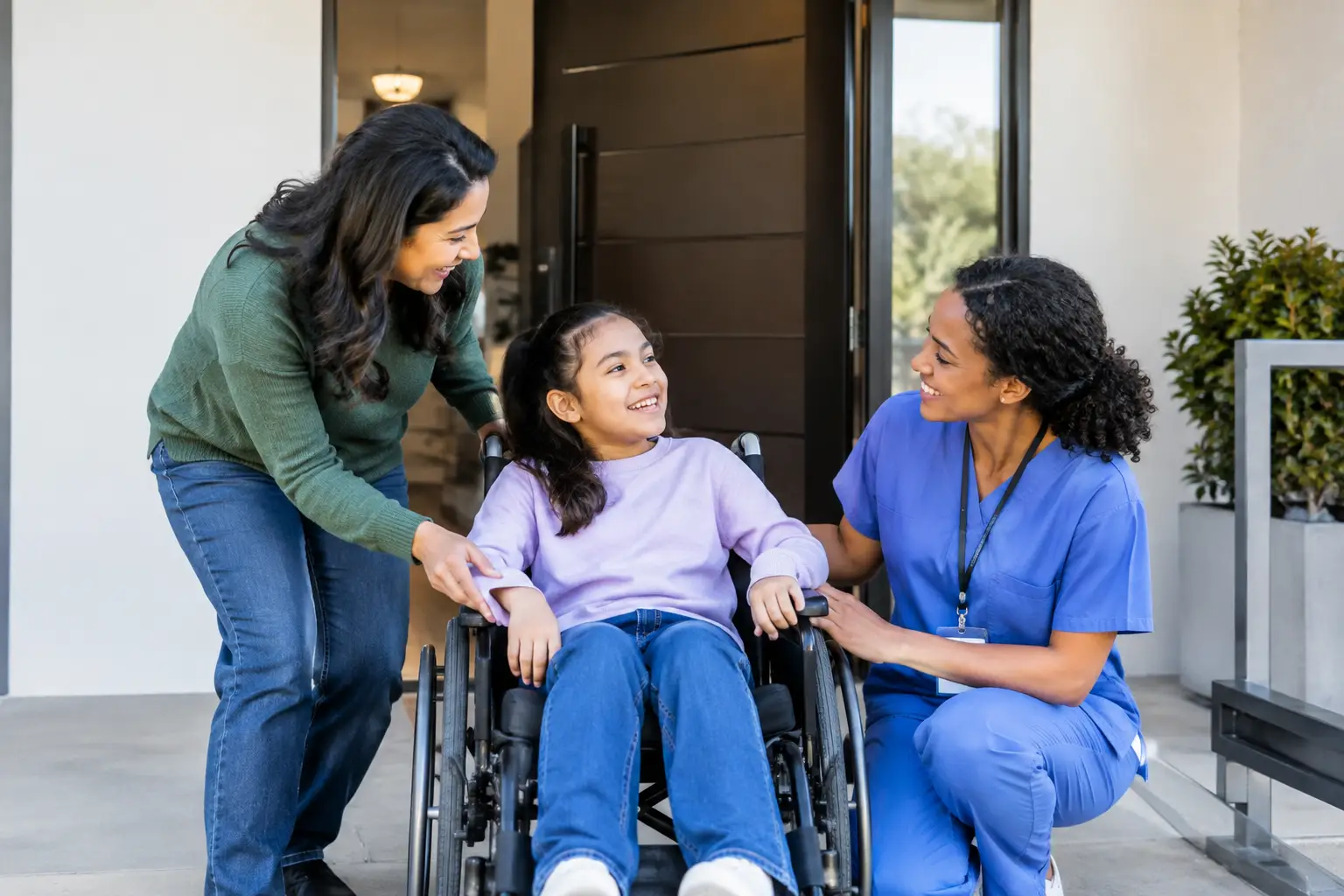
A home should make everyday life feel more possible, not turn simple routines into exhausting work. For many people with disability, accessible housing is not just about ramps, wider doorways or a ground-floor room. It is about having a place where you can move safely, manage daily tasks with the right support, welcome the people who matter to you and make choices about how you live.
The right home looks different for every person. Someone may need a bathroom that supports safe transfers, while another person may need a quieter environment, help to build household skills or staff support at particular times. Starting with the person, rather than a standard property checklist, leads to better decisions and a home that supports genuine independence.
What accessible housing means in daily life
Accessible housing describes a home that is practical, safe and suitable for a person’s individual needs. Physical access is often part of the picture. This can include step-free entry, clear pathways, reachable switches, an accessible kitchen or bathroom, appropriate lighting, and room for mobility equipment.
But accessibility also includes how a home feels and functions. A person living with psychosocial disability may benefit from a calm setting, predictable routines and the confidence that support is available when it is needed. A young adult may want a home where they can practise cooking, budgeting and catching public transport while still having reliable assistance nearby. For a family, the priority may be space, safety and support that helps their child build skills without separating them from their community.
A well-matched home can reduce avoidable risks and reliance on others. It can make it easier to shower, prepare meals, attend appointments, rest properly and participate in social activities. These are everyday outcomes, but they can have a powerful effect on confidence and quality of life.
Accessible housing starts with the person, not the property
Before looking at accommodation options, it helps to identify what is currently working and what is getting in the way. Consider the routines that take the most energy, the times of day when support is needed, and the goals that matter most over the next year.
For example, a person may be managing well in their current home but finding the bathroom unsafe. In that case, home modifications, assistive technology or occupational therapy advice may be more suitable than moving. Another person may be ready to leave the family home and build skills in a shared arrangement. They may need a setting that balances privacy with regular assistance.
Location also matters. Being close to family, friends, work, education, medical appointments, shops and community activities can make a real difference. A highly accessible property that leaves someone isolated may not be the right fit. Equally, a home in a preferred suburb may not meet essential safety requirements. Good planning considers both needs rather than treating one as more important than the other.
Questions worth discussing
A useful conversation with your support network might include: What tasks do I want to do independently? Where do I need support to feel safe? Do I prefer living alone, with housemates or with family? What does a good day at home look like? What cultural, communication, sensory or family needs should be respected?
These questions can also help identify the type and level of support required. Needs can change over time, so flexibility is valuable. A home and support arrangement should be reviewed as goals, health needs, relationships or daily routines evolve.
Understanding NDIS accommodation and support options
The NDIS can fund different supports connected to where and how a participant lives, provided they are reasonable and necessary and align with their plan. The terms can be confusing, so it is helpful to separate the home itself from the supports delivered in the home.
Supported Independent Living, often called SIL, funds support workers to help eligible participants with daily tasks in a shared or individual living arrangement. This may include personal care, meal preparation, household tasks, overnight support and skill building. SIL is not usually the rent or the cost of the property. It is about the disability-related supports a person needs to live as independently as possible.
Specialist Disability Accommodation, or SDA, refers to purpose-built or modified housing for a smaller group of participants with very high support needs or extreme functional impairment. SDA eligibility is separate from SIL. A person may receive both, one, or neither, depending on their circumstances and NDIS decisions.
Medium Term Accommodation, known as MTA, may be an option when a participant needs a temporary place to live while waiting for a longer-term housing solution, such as an SDA property, necessary modifications or a more suitable home. Short Term Accommodation can also provide a planned short stay, which may support independence, give families a break or allow a participant to try a different environment.
Not every accessible home needs SDA funding, and not every person who needs support at home will require SIL. This is why individual assessment and clear evidence are so important. Your occupational therapist, support coordinator and other trusted professionals can help clarify needs and prepare information for planning conversations.
Building the right evidence for your goals
When accommodation needs are part of an NDIS plan, specific evidence can make it easier to explain why a particular support or environment is needed. Reports should connect a person’s functional needs to practical risks and outcomes. Rather than simply stating that a bathroom is inaccessible, evidence might explain how the current layout affects safe showering, transfers, fatigue or the level of assistance required.
An occupational therapist can assess the home environment and recommend modifications, equipment or housing features that support safety and independence. Support coordinators can help participants understand available options, communicate with providers and organise the steps involved in a move or service transition.
It is also useful to keep records of what happens in day-to-day life. This could include incidents, barriers to completing tasks, changes in support needs, or examples of goals that are difficult to pursue because the current home is unsuitable. The aim is not to focus only on limitations. It is to show what the right environment would make possible.
Choosing support that feels respectful and reliable
Housing is deeply personal. If support workers are involved in daily routines, trust, communication and consistency matter just as much as practical skills. Participants should be involved in decisions about their home, their schedule, their household routines and the people who provide support.
For some people, shared living can offer companionship and opportunities to develop household skills. For others, it can feel overwhelming or reduce privacy. Living alone may offer greater control, but it can require more deliberate planning around safety, social connection and support availability. There is no single arrangement that represents independence. Independence means having as much choice and control as possible, with support that fits the person.
Families and carers often carry a great deal of responsibility while helping a loved one explore accommodation options. Open communication can help everyone understand the participant’s goals, concerns and non-negotiables. Where possible, take time to visit potential homes, ask how support is delivered, and consider whether the environment feels welcoming as well as functional.
At Arise Services, our team can work alongside participants, families and support networks to explore accommodation supports, build everyday living skills and coordinate the practical steps around a transition. As a Registered NDIS Provider with a multicultural team, we focus on support that respects each participant’s preferences, background and goals.
A home that supports the life you want
Finding suitable housing can take time, particularly when funding, property availability and support needs all need to align. It is reasonable to ask questions, seek professional advice and reassess an option that does not feel right. The best outcome is not simply a more accessible building. It is a home where you can feel safe, connected and increasingly confident in the life you choose to lead.
If your current home is creating barriers, start with one practical conversation about what would make daily life easier. That first step can turn a housing challenge into a clear plan for greater choice and independence.