


NDIS Assistive Technology for Independence
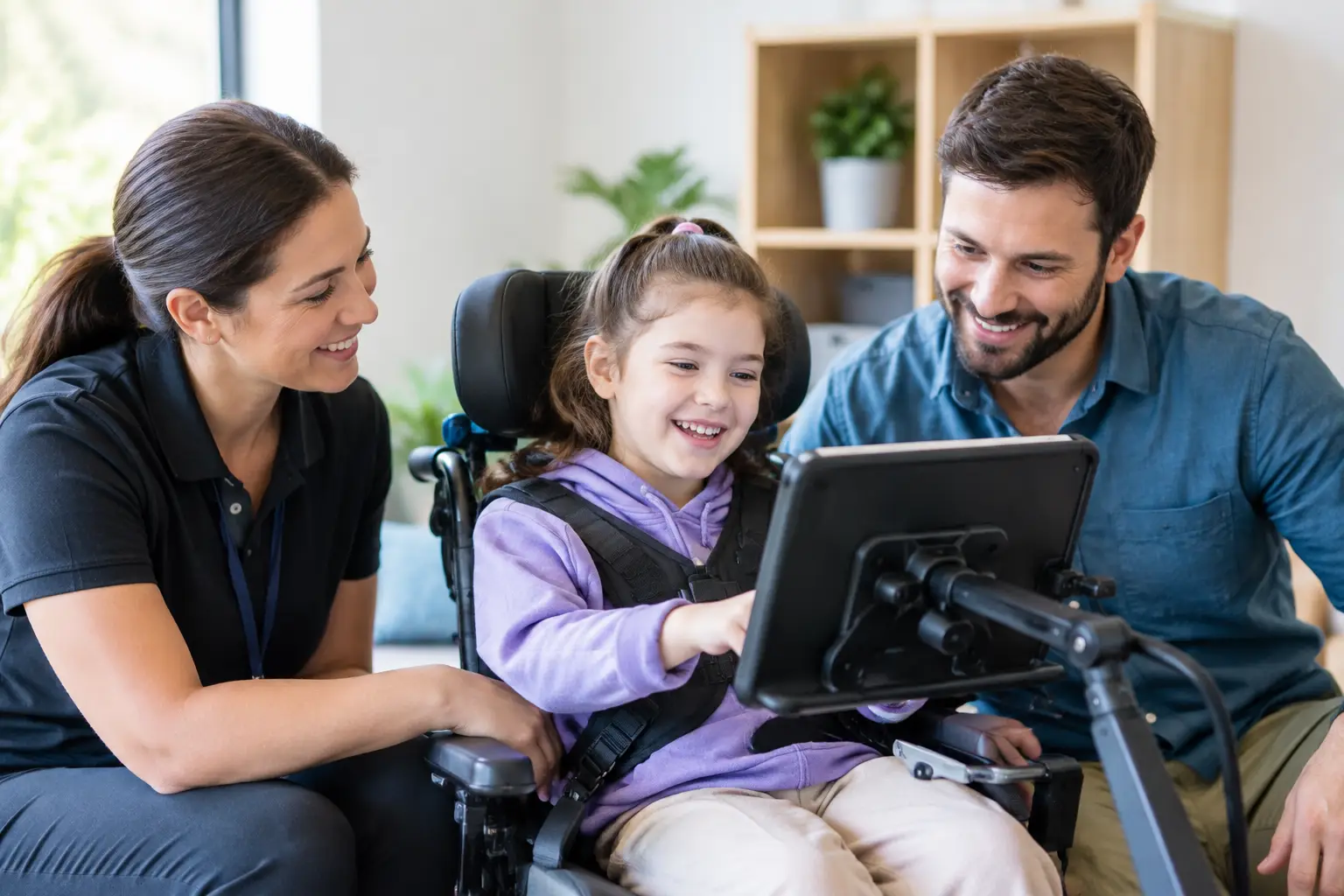
A shower chair that makes mornings safer. A communication device that helps someone share a choice, a worry or a joke. A modified keyboard that makes work or study possible again. NDIS assistive technology is not simply equipment – when it is well chosen, it can remove a daily barrier and give a person more control over how they live.
The right support looks different for every participant. It should fit your goals, your home, your routines and the people around you. A device that appears useful on paper is not always the best option in real life, which is why thoughtful assessment, trials and ongoing support matter.
What is NDIS assistive technology?
Assistive technology, often called AT, is equipment, systems or products that help a person do tasks more safely, independently or confidently. It can be low-cost and simple, such as a non-slip mat or easy-grip cutlery. It can also be more complex, including powered wheelchairs, communication technology, home modifications or specialised computer access.
For NDIS participants, assistive technology may support goals across many parts of life: personal care, mobility, communication, education, employment, social connection and living at home. The focus is not on the item itself. The focus is on what the item enables you to do.
For example, a person may want to prepare meals with less help from family. Depending on their needs, an occupational therapist might consider a perching stool, adapted utensils, visual prompts, a one-handed chopping board or changes to the kitchen layout. The best solution may be one item, several small supports, or a different approach altogether.
When assistive technology may help
AT can be valuable when a task takes too much energy, creates a safety risk, relies heavily on another person or prevents someone from taking part in everyday life. It may also help when a participant’s needs change over time, such as after an injury, during a transition to a new home or as a young person develops new skills.
Common areas include mobility and transfers, showering and toileting, eating and meal preparation, vision or hearing support, communication, memory and organisation, sensory regulation, and access to mobiles or computers. Technology can also support psychosocial disability. A simple reminder system, noise-reducing headphones or an app set up around a person’s routines may reduce overwhelm and make appointments, medication or community activities easier to manage.
However, technology is not automatically the answer. A device can become frustrating if it is difficult to use, does not suit the home environment or requires support that is not available. It is also worth considering whether skill building, therapy, a support worker or a combination of supports will achieve the goal more effectively.
Choosing NDIS assistive technology around your goals
A good starting point is to describe the task you want to do, not the product you think you need. Rather than beginning with “I need a new device”, try “I want to communicate with my support team when I am out”, or “I want to get in and out of bed more safely”. This gives the assessment a clear purpose.
An occupational therapist, speech pathologist, physiotherapist or other relevant allied health professional can assess your functional needs and recommend suitable options. Their advice may include trying equipment before purchase, measuring spaces in the home, reviewing safety considerations and planning training for you, your family or support workers.
When comparing options, consider how the technology will work on an ordinary day. Ask whether it is comfortable, reliable and easy to transport. Consider charging, cleaning, repairs, storage and whether it will still meet your needs if your circumstances change. If the item will be used by children, think about growth, changing routines and how parents, school staff or carers will be supported to use it consistently.
Cost matters too, but the cheapest option is not always the best value. An item that is unsuitable or sits unused can create more stress and expense. On the other hand, a highly specialised product may not be necessary if a simpler alternative safely meets the same goal. The right choice should be reasonable, effective and connected to your NDIS plan goals.
Understanding funding and approvals
The NDIS may fund assistive technology where it meets the reasonable and necessary criteria and is related to your disability support needs. The type of funding process can depend on the cost and complexity of the item.
Some low-cost AT may be purchased from available consumables funding where this is included in a participant’s plan. Other equipment may require a written recommendation, quotes, an assessment or approval before it is purchased. Higher-cost or more complex technology generally needs more detailed evidence, particularly where it involves customisation, significant safety considerations or changes to a home.
Before ordering equipment, check your plan funding and the process that applies to your situation. This is especially important with plan-managed and NDIA-managed funding, where providers and purchasing arrangements can differ. A support coordinator can help you understand the steps, gather information and communicate with relevant providers, while your therapist can provide clinical evidence where needed.
It is sensible to keep copies of recommendations, quotes, invoices, warranties and any instructions for use. These documents can make maintenance, replacement requests and future plan reviews easier to manage.
Training, set-up and follow-through matter
Receiving a piece of equipment is only the first step. The real benefit comes from using it safely and regularly in the situations that matter to you. A communication device may need personalised vocabulary and practice. A mobility aid may need fitting and training. A transfer aid may require everyone involved to understand the correct technique.
This is where coordinated support can make a meaningful difference. Allied health professionals can recommend and review equipment, while support workers can help participants build confidence through everyday practice. Families and carers can be included in a way that respects the participant’s preferences and independence.
At Arise Services, coordinated disability support and allied health can help participants turn recommendations into practical routines, without losing sight of their personal goals. For people in Perth and across Western Australia, responsive support can also reduce the delay between identifying a need and taking the next appropriate step.
Review technology as life changes
Assistive technology should be reviewed when it no longer feels right, when it causes discomfort, when repairs become frequent or when a participant’s goals change. A device that worked well in one house may not suit a move to supported independent living. Equipment selected for school may need adjustment when a young person starts work, training or community programs.
Review is also an opportunity to notice progress. Sometimes technology gives a participant enough confidence to practise a task and rely on less assistance over time. In other cases, a person may need more support as their condition changes. Neither outcome is a failure. The aim is to keep supports relevant, safe and respectful of the life the participant wants to lead.
When discussing a review, be specific about what is and is not working. Explain when difficulties occur, how often support is needed, whether safety has changed and what new activities you would like to do. Real examples from home, work, school or the community give professionals a much clearer picture than a general statement that equipment is “not working”.
The most helpful assistive technology does not take over a person’s life. It fits into it. With the right advice, funding pathway and support around it, a small change in equipment can create more choice in the moments that matter most.